
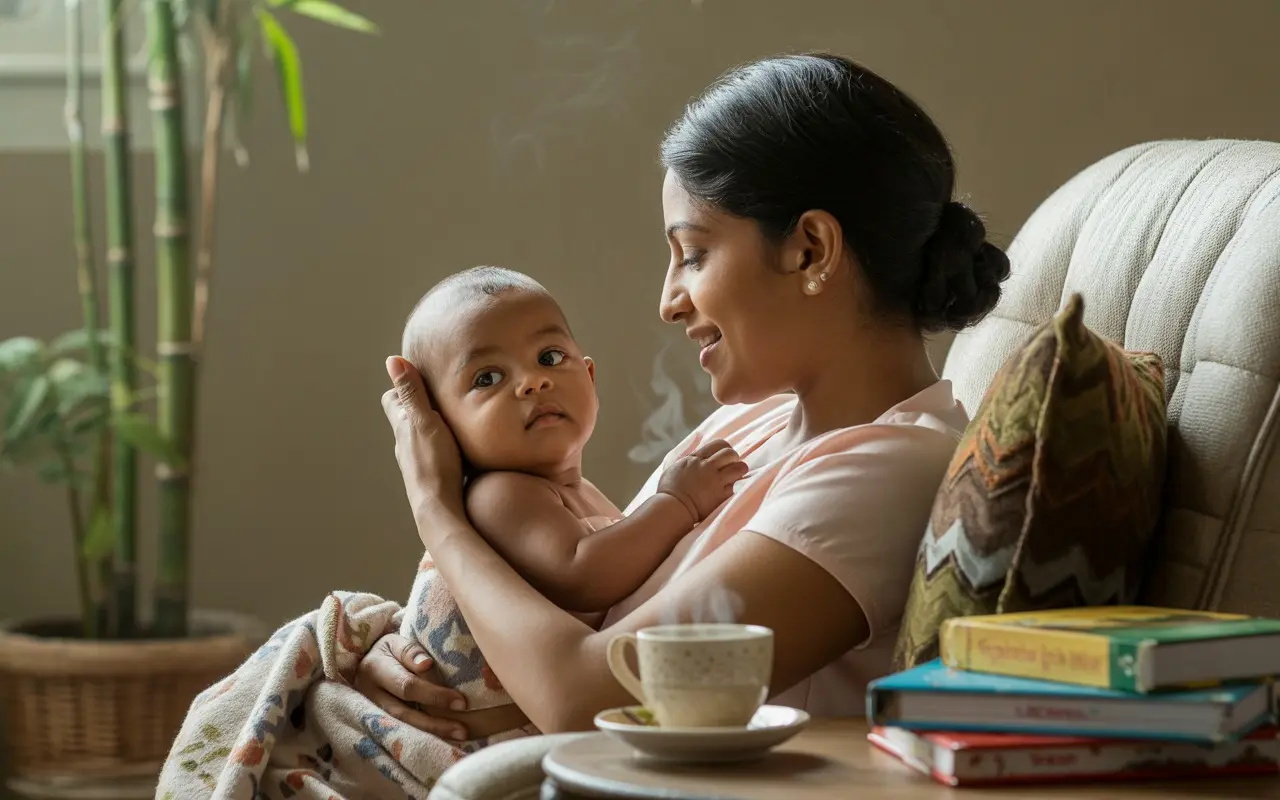
Parenting is a beautiful journey, but it often comes with sleepless nights, stress, and emotional ups and downs. While most parents focus on their baby’s diet, skincare, and safety, many overlook their own well-being. What many don’t realize is that a parent’s mental health directly affects a baby’s overall health including skin health.
When parents take care of themselves, they create a healthier environment that supports their baby’s immunity, growth, and even skin protection.
The Link Between Parental Stress and Baby Skin Health
Stress doesn’t just affect parents, it also impacts babies in subtle ways:
- Feeding Patterns: Stress can affect breast milk supply or lead to inconsistent feeding, which may reduce essential nutrients babies need for skin repair.
- Immunity: A stressed environment can weaken a baby’s immunity, making them more prone to rashes, eczema, or infections.
- Bonding & Comfort: Babies sense their parents’ emotions. High stress levels may lead to restlessness in babies, which can worsen skin irritations caused by scratching or sweating
How Sleep Deprivation Affects Baby Skin
Lack of sleep is a common issue for new parents, but it has a ripple effect:
- Lower Energy for Care: Sleep deprived parents may skip regular skincare routines like moisturizing after baths.
- Weakened Immunity in Parents: This can lead to increased infections at home, affecting babies too.
- Stress Transfer: Babies pick up on parental fatigue and stress, which can disturb their sleep and make their skin more vulnerable to irritation.
Nutrition, Mental Health & Baby Skin
A parent’s nutrition and emotional balance affect baby care directly:
- Skipping meals due to stress reduces the quality of breast milk or caregiving energy.
- Poor diet can lead to more processed baby food choices instead of fresh, natural alternatives.
- Balanced meals with vitamins, omega-3, and antioxidants help improve both parent and baby skin resilience.
Simple Self Care Tips for Parents
Taking care of yourself doesn’t mean luxury spa days. Small, realistic habits can make a big difference:
- Prioritize Sleep: Nap when your baby naps, and share night duties with a partner or family member.
- Practice Mindful Breathing: Just 5 minutes of deep breathing or meditation lowers stress hormones.
- Stay Hydrated: Drinking enough water benefits both parent and baby (through breastfeeding and skin hydration).
- Eat Balanced Meals: Add fruits, vegetables, and whole grains to boost immunity and skin health.
- Move Daily: Light stretching or a short walk improves circulation and relieves stress.
- Ask for Support: Don’t hesitate to ask family or friends for help with chores or baby care.
How a Calm Parent Helps a Baby’s Skin
When parents manage stress well, babies benefit in many ways:
- Consistent Routines: Regular bathing, moisturizing, and diaper changes become easier to maintain.
- Better Immunity: A calm environment reduces infections and skin irritations.
- Healthy Bonding: Touch and massage become nurturing experiences that strengthen both skin and emotional health.
Quick Skin Friendly Habits for Parents and Babies Together
- Practice daily baby massages with natural oils relaxing for both parent and child.
- Enjoy outdoor morning walks, sunlight helps regulate mood and supports Vitamin D for skin.
- Making bedtime rituals calming a warm bath, gentle lotion, and soft lullabies benefit both baby’s skin and parent’s mental health.
Frequently Asked Questions (FAQs)
1. Can parental stress cause skin problems in babies?
Yes. High stress levels in parents can affect feeding patterns, bonding, and the baby’s immune system. This may increase the chances of skin issues like rashes, eczema, or frequent irritations.
2. How does sleep deprivation in parents affect baby skin health?
When parents are sleep-deprived, they may skip regular baby skincare routines like moisturizing or timely diaper changes. Fatigue also raises stress, which indirectly impacts the baby’s skin health.
3. Does breastfeeding quality change if the mother is stressed?
Yes. Stress can reduce breast milk supply and alter nutrient balance. This can affect a baby’s immunity, growth, and skin resilience.
4. What self-care routines can parents follow to reduce stress?
Simple practices like deep breathing, staying hydrated, eating balanced meals, light exercise, and taking short naps help reduce stress. Even small self-care steps improve both parent and baby well-being.
5. How can calm parenting improve baby skincare?
A calm parent can maintain consistent routines like bathing, moisturizing, and baby massage. This regular care strengthens the baby’s skin barrier and keeps it soft and healthy.
6. What is the role of baby massage in reducing stress?
Daily baby massage with natural oils relaxes both parent and child. It promotes bonding, improves sleep quality, and enhances skin health through better circulation and hydration.
7. Do babies sense when parents are stressed?
Yes. Babies are sensitive to their parents’ emotions. Stress and anxiety in parents can make babies restless, which may worsen skin problems caused by scratching or sweating.
8. How can parents balance self-care with baby care in busy schedules?
Parents can practice shared caregiving, accept family support, and add short self-care breaks like meditation, quick walks, or naps. These small efforts ensure both parent and baby stay healthier.
Conclusion
Parental mental health is not separate from baby care, it’s at the heart of it. Stress, lack of sleep, and poor self care can indirectly affect a baby’s skin health by weakening immunity, disturbing routines, and reducing proper nourishment. By adopting simple self-care habits, parents can create a calm environment where both they and their baby thrive.
Healthy parents raise healthier babies and that includes keeping their delicate skin soft, protected, and glowing.