
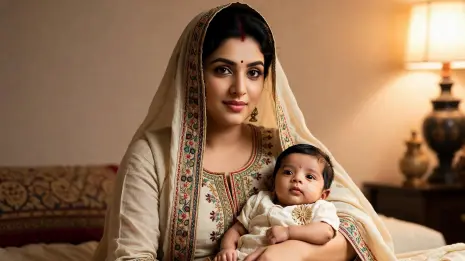
Every new mother in India hears at least one thing from elders: “Recovery takes time. Follow Ayurvedic Postnatal Care**** and your body will thank you.” And honestly, the more women I speak to, the more it feels true. Ayurveda has been guiding Indian mothers for thousands of years, long before modern supplements or store-bought baby products came into the picture. It is gentle, time-tested, and most importantly, deeply rooted in our culture.
But here is the thing most new moms wonder:
How exactly do I follow Ayurvedic routines from pregnancy to postpartum without feeling overwhelmed?
That is exactly what this long-form guide will help you understand, step by step, with practical, simple, Indian home-friendly advice.
Before we move deeper, let us start with something you will relate to. I once met a new mom from Hyderabad who said she felt lost after delivery. Doctors gave medical instructions, elders
gave traditional advice, and she felt like she was stuck between two worlds. Ayurveda helped her bridge that gap. It was not rigid, not old-fashioned. It simply balanced her body and mind.
If you have ever felt this confusion, this guide is written for you.
1. Introduction to Ayurvedic Postnatal Care
Ayurvedic Postnatal Care focuses on one principle:
The mother and baby must heal together.
The physical body goes through an extreme transformation during pregnancy and delivery. Hormones shift, joints loosen, digestion weakens and immunity becomes sensitive. Ayurveda says that this phase is like wet clay; if nurtured correctly, the body becomes stronger than before, and if ignored, long-term issues take root.
Have you ever heard elders warn about “future back pain” or “weak joints” if you skip postnatal rituals? Ayurveda explains exactly why these things happen and how to avoid them.
The postpartum phase is called Sutika Kala, a sacred healing window lasting 42 days or more. This phase shapes a mother’s future health, energy levels, immunity, and hormonal balance.
In India, many women still follow traditional care routines, but modern lifestyle often makes it difficult to stay consistent. The beauty of Ayurveda is that you can adapt it to your personal routine without losing its benefits.
2. Understanding Garbhini Paricharya: Ayurvedic Care During Pregnancy
Before childbirth comes Garbhini Paricharya, the Ayurvedic wisdom followed during pregnancy. Even if your baby has already arrived, understanding this helps you see how Ayurveda prepares the mother’s body for postpartum healing.
Garbhini Paricharya mainly focuses on:
● strengthening digestion
● keeping the fetus nourished
● maintaining mental calmness
● preparing the mother’s body for delivery
● preventing Vata imbalance
Many Indian mothers still remember how their grandmothers insisted on warm food, ghee, herbal drinks, and gentle oil massages. These were not superstitions but carefully designed Ayurvedic steps.
A typical Garbhini Paricharya routine includes:
Warm, freshly cooked meals
Digestion weakens during pregnancy, so Ayurveda avoids cold or stale foods. Daily Abhyanga (oil massage)
A gentle massage with warm oil supports muscles, reduces swelling, and prepares joints for labour.
Herbal ghee supplements
Helps ease delivery and nourishes fetal brain development.
Mental relaxation
Hearing calming music, avoiding stress and spending time in peaceful surroundings is part of the protocol.
Whether you followed it or not during pregnancy, you can always shift to Ayurvedic principles in your postpartum phase and still gain immense benefits.
3. Postnatal Recovery Tips: How Ayurveda Helps New Moms Heal Faster
Many new moms underestimate what their bodies have gone through. Delivery is intense, regardless of whether it is normal or cesarean. And in Ayurveda, this recovery is not just physical; it is emotional and spiritual.
Ayurveda focuses on three major areas of postpartum recovery:
1. Restoring the digestive fire
After delivery, digestion becomes weak and unstable. Without proper care, bloating, acidity, constipation and nutrient deficiency can easily show up.
2. Bringing Vata back into balance
The body becomes air-dominated after childbirth. This is why new moms often experience anxiety, dryness, body pain and irregular digestion.
3. Strengthening muscles, joints and tissues
Ayurvedic routines are designed to rebuild strength slowly, not suddenly.
Interestingly, every elderly woman in India gives the same advice: “Rest and stay warm.” Ayurveda says the same, but with deeper reasoning.
Some practical recovery tips rooted in Ayurveda include:
● daily oil massage for the mother
● warm, easy-to-digest meals
● herbal decoctions to shrink the uterus
● avoiding cold air exposure
● gentle stretching after a few weeks
● using traditional belly binding for support
Many modern moms feel guilty resting, but this period is meant for deep healing. Ayurveda openly says that postpartum weakness can turn into long-term health problems if the body is not nurtured properly.
4. Ayurvedic Baby Massage Oil: Why Indian Babies Thrive With Traditional Oils
If there is one practice almost every Indian household still follows, it is baby massage. There is something magical about warming the oil, gently rubbing the baby’s tiny arms and legs, and watching them drift into peaceful sleep.
But Ayurveda gives this practice a scientific foundation.
Baby massage, or Shishu Abhyanga, helps:
● improve bone strength
● enhance muscle development
● regulate sleep patterns
● support digestion
● improve blood circulation
● strengthen immunity
● promote emotional bonding with the mother
Ayurvedic Baby Massage Oil can be made from:
● sesame oil
● coconut oil
● almond oil
● mustard oil (in colder states)
● herbal-infused oils like bala, ashwagandha or fennel
One elderly lady once told me, “A baby’s bones grow strong not by milk alone but by touch.” And considering how calm and relaxed babies get after a massage, she may be right.
Ayurveda prefers oils that are warm, natural and free from synthetic fragrances. Massaging daily for the first few months is not just traditional; it is one of the most powerful growth boosters for babies.
5. Traditional Indian Baby Bath Ritual: More Than Just Cleansing
If you have grown up in India, you know the typical scene: a newborn wrapped in cloth, the sound of warm water being poured into a copper vessel, the gentle chanting from a grandmother, and the smell of homemade bath powders.
A Traditional Indian Baby Bath**** is much more than cleaning. It is a complete developmental routine.
Traditional baths use:
● warm water
● natural cleansers like green gram powder
● herbal decoctions
● mild turmeric water
● soft cloth scrubbing
This routine supports:
● healthy skin
● strong bones
● improved flexibility
● immunity boosting
● better sleep
Many moms today replace herbal powders with mild soaps, but Ayurveda still recommends natural ingredients for baby skin because it is thin, delicate and prone to irritation.
The combination of massage + warm bath is one of the most soothing experiences for a newborn. Even modern pediatricians acknowledge how effective it is for calming colic and promoting better sleep.
6. Ayurvedic Diet for New Moms: The Healing Begins from the Kitchen
Ask any Indian grandmother and she will tell you that postpartum food rules are strict for a reason. And she is right. The Ayurvedic Diet for New Moms**** focuses on rebuilding strength from the inside out.
The basic principle is:
Warm body. Warm food. Warm digestion.
That means:
● freshly cooked meals
● no cold foods
● no refrigerated leftovers
● gentle spices like cumin, ajwain and turmeric
● ghee for lubrication
● protein-rich dals and khichdi
● iron-rich leafy vegetables
● herbal laddus for recovery
Foods that Ayurveda loves for new mothers include:
● moong dal khichdi
● rice gruel
● ajwain water
● dry ginger water
● methi laddus
● gond ke laddus
● warm vegetable stews
● sesame oil-based dishes
This is where modern moms struggle a bit. Everyone wants quick recovery, but they are surrounded by fast food, packaged snacks and cold drinks. Ayurveda’s biggest strength is that it does not demand complicated ingredients. Even simple meals cooked with ghee and spices can reset your digestion beautifully.
“A mother’s healing creates the foundation of her child’s health. Ayurveda treats them as one, not two.”
7. Natural Baby Hair Care Practices in Ayurveda
If you ask any Indian mom what she remembers most from her baby’s early months, she will probably say two things: the softness of her baby’s hair and the constant advice from elders on how to maintain it. The truth is, newborn hair is extremely delicate. Ayurveda treats hair as an extension of overall health, not just a cosmetic feature.
According to Ayurvedic principles, a baby’s scalp carries natural heat, and the goal of hair care is to cool, nourish and protect it.
Traditional Natural Baby Hair Care**** includes:
Warm oil head massage
A few drops of coconut or almond oil can be gently applied to the scalp. Ayurveda recommends light strokes to avoid pressure on the still-developing skull bones.
Herbal scalp cleansers
Mothers in India still use green gram powder, fenugreek water or a mild herbal rinse for cleansing. These ingredients are gentle and reduce scalp dryness.
Avoiding frequent shampoo
Baby shampoos, even mild ones, can sometimes strip natural oils. Ayurveda recommends washing the scalp only two to three times a week.
Using natural hair masks
Some moms prepare a smooth paste with tender hibiscus leaves or aloe vera gel to boost hair strength. They apply it occasionally in very small amounts, keeping the scalp cool.
In many Indian households, newborn hair is shaved in the first year. Ayurveda considers this symbolic for removing “inherited heat,” but it must always be done under safe, hygienic
conditions. Whether you choose to follow it or not, the foundation of natural baby hair care remains the same: cool, nourish, protect.
8. Postpartum Ayurvedic Rituals for Emotional Wellbeing
Every new mom discovers that the postpartum phase is not just physical recovery; it is a rollercoaster of emotions. One moment you feel overwhelming love, and the next, deep exhaustion. Ayurveda describes this emotional turbulence as a Vata imbalance.
To restore balance, Ayurveda suggests:
Abhyanga (oil massage for the mother)
Warm sesame oil applied daily helps calm the nervous system. Many mothers say this routine helped them feel grounded and emotionally stable.
Warm herbal baths
Bathing with decoctions of neem, tulsi or vetiver not only cleanses the skin but also relaxes the mind.
Soothing herbal teas
Cumin seeds, fennel, ajwain and dry ginger teas support digestion and emotional comfort. Listening to calming chants
For centuries, new mothers have listened to soft mantras or light devotional music. This is not a religious rule but a soothing auditory therapy.
Bonding time with the baby
Ayurveda says that skin-to-skin contact stabilizes Vata. Holding your baby close, gently rocking them, or simply watching them breath deeply can help mothers feel emotionally connected.
You may notice how most traditional Indian rituals involve warmth, touch, breath, and grounding. All four reduce emotional distress like anxiety, irritability and restlessness. Modern psychologists call this nervous system regulation. Ayurveda discovered it thousands of years ago.
9. Modern vs Traditional: What Actually Works Today
Every generation of mothers asks this same question: Should I follow traditions or modern guidelines?
From an Ayurvedic perspective, the answer is simple. Follow what supports healing and avoid what causes imbalance.
Some traditional practices that still work today:
● daily oil massage for mother and baby
● warm, freshly cooked meals
● belly binding for back support
● herbal waters for digestion
● limited exposure to cold air
Practices that may need updating:
● very tight massaging of babies
● Living heavy ghee-based foods too early
● forced hot environments during summer
● excessive rest without gentle movement after a few weeks
The key is to strike a balance. Ayurveda is flexible, not rigid. Most routines can be adapted to match modern lifestyle without losing their benefits.
10. Common Mistakes Indian Moms Make in Postnatal Care
Even with the best intentions, many new moms unknowingly follow habits that slow down recovery.
Here are some common mistakes:
Eating cold or leftover foods
This weakens digestion and slows tissue healing.
Skipping oil massage
The body becomes stiff, and Vata imbalance increases.
Using chemical-based baby products too early
Newborn skin absorbs everything quickly, so gentle and natural options are ideal. Ignoring rest
Modern moms often push themselves too early. Ayurveda encourages slow and steady recovery.
Overconsuming sweets and ghee
While helpful in moderation, excess leads to indigestion and weight gain. Not staying hydrated
Warm water or herbal teas are essential for postpartum healing.
Avoiding these mistakes alone can significantly improve your recovery experience.
11. Frequently Asked Questions
1. How long should Ayurvedic Postnatal Care be followed?
Ayurveda recommends at least 42 days, but many rituals can continue for six months depending on the mother’s energy and body type.
2. Can I follow Ayurveda if I had a C-section?
Yes. Ayurveda offers gentle routines like warm food, massages after stitches heal, herbal drinks and emotional grounding. These do not interfere with medical care.
3. Should babies be massaged daily?
Yes, unless the baby is unwell. Daily massage strengthens bones, improves sleep and supports immunity.
4. Which oil is best for baby massage?
Coconut oil in warm climates and sesame oil in cooler climates. Herbal-infused oils are even better.
5. Can I use Ayurvedic Diet for New Moms if I am vegetarian?
Absolutely. Ayurveda is naturally plant-based and focuses on legumes, grains, vegetables, seeds and herbs.
6. Is belly binding safe after delivery?
Yes, but it should be moderately tight and started only after medical approval, especially after a C-section.
7. Are traditional baby bath powders safe?
Yes, if they are natural, pure and freshly prepared. Avoid powders with artificial fragrances.
8. Do Ayurvedic postpartum rituals replace medical care?
No. Ayurveda complements medical care. Always follow your doctor’s advice along with Ayurvedic routines.
12. Final Thoughts
Ayurvedic Postnatal Care**** is more than tradition. It is a complete science that respects the mother’s body, mind and emotions. In a world where new moms feel pressured to recover quickly, Ayurveda gives them the freedom to slow down, heal and bond deeply with their babies.
Whether you are a first-time mom or welcoming your third child, Ayurvedic principles can guide you through one of the most transformative phases of your life. You do not need expensive products, complicated recipes or long hours of rituals. You only need warmth, nourishment and consistency.
At the end of the day, the greatest wisdom Ayurveda teaches is simple:
A healed mother raises a healthy child.
And that is the foundation of every Indian home.